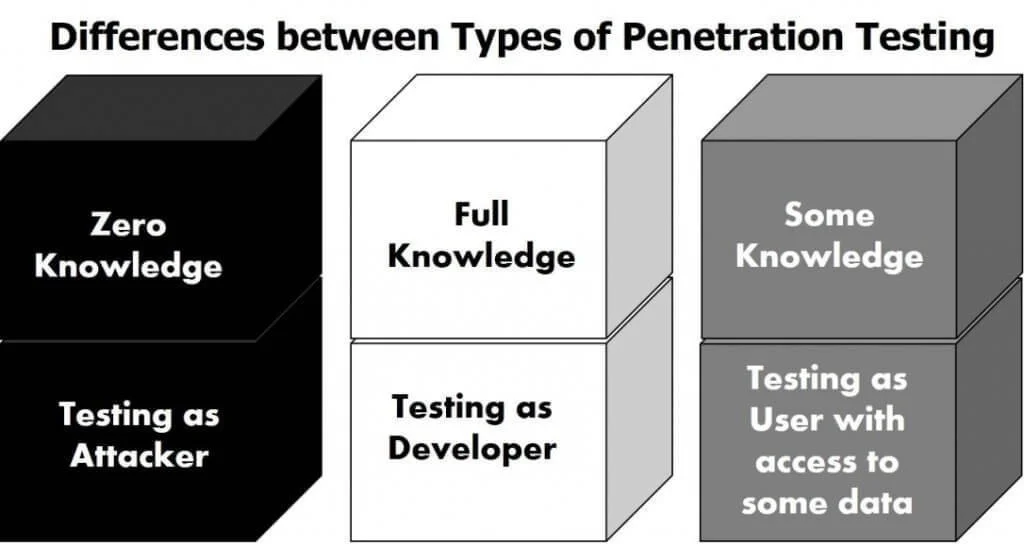

Penetration testing engagements are classified based on the level of knowledge and access given to the pentester at the outset. The spectrum ranges from black-box testing, where the tester is given minimal knowledge of the target system, to white-box testing, where the tester is given a high level of knowledge and access. This spectrum makes different testing methodologies ideal for different situations.
What is a Black Box?
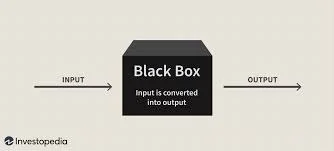
In a black-box testing engagement, the pentester is placed in the role of an ordinary hacker — with no internal knowledge of the target system. Testers are not provided with any system diagrams or source code that is not publicly available. A black-box penetration test identifies vulnerabilities in a system that are exploitable from outside the network.
This means that black-box pentesting relies on dynamic analysis of the programs and systems currently running on the target network. A black-box pentester must be familiar with automated scanning tools and manual pentesting methodologies. They must also be able to construct their own map of the target network based on their observations, since no such diagram is provided.
The limited knowledge given to the pentester makes black-box engagements the fastest to execute, as the duration largely depends on the pentester's ability to discover and exploit vulnerabilities in the target's external-facing services. The key drawback of this approach is that if the pentester cannot breach the perimeter, any vulnerabilities in internal services remain undiscovered and unpatched.
What is a Gray Box?
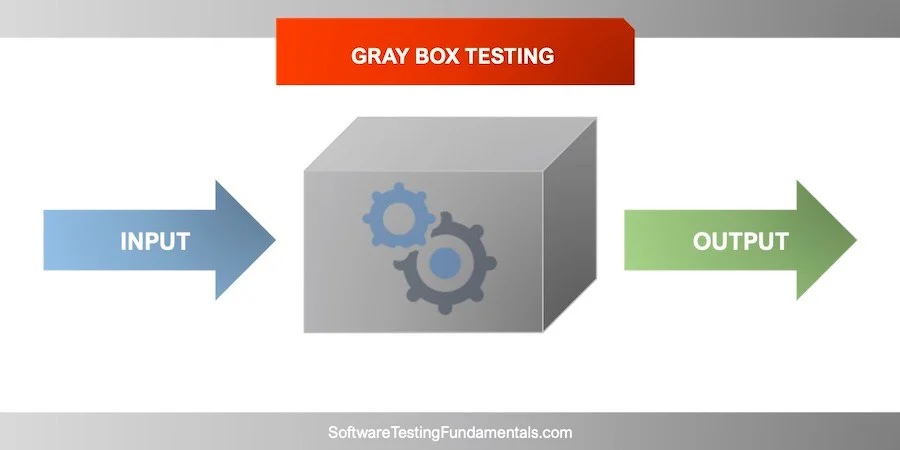
Gray-box testing is the next step up from black-box testing. While a black-box pentester examines the system from an outsider's perspective, a gray-box tester has user-level access and some knowledge of how the system operates. Gray-box testers typically have partial knowledge of the network's internals, which may include design and architecture documentation and network information.
The goal of gray-box testing is to provide a more focused and efficient security assessment than a black-box evaluation. By using network design documents, testers can concentrate their efforts on the systems that carry the highest risk and value from the outset, rather than spending time independently determining this information.
What is a White Box?
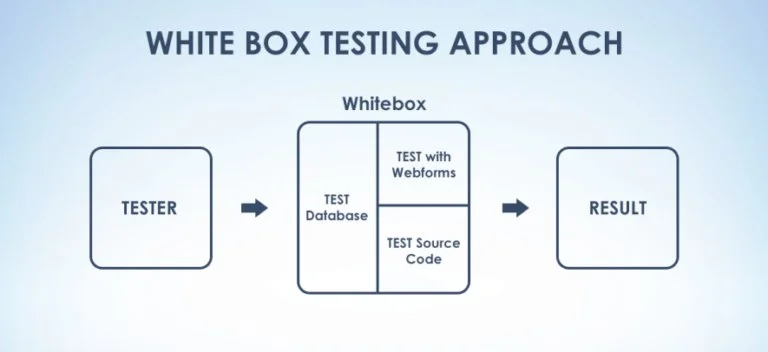
White-box pentesting goes by several names, including clear-box, open-box, auxiliary, and logic-based testing. It is the opposite of black-box testing — pentesters are given full access to source code, design documents, and more. The main challenge with white-box testing is sifting through the vast amount of available data to identify potential weak points, making it the most time-consuming type of pentest.
Unlike black-box and gray-box testing, white-box pentesters can perform static code analysis, drawing on source code analyzers, debuggers, and similar tools. However, dynamic analysis tools and techniques are equally important for white-box testers, as static analysis may miss vulnerabilities arising from misconfiguration of target systems.
White-box penetration testing provides a comprehensive assessment of both internal and external vulnerabilities, making it the best choice for thorough, in-depth testing. The close relationship between white-box testers and developers ensures a high level of system knowledge, but may influence the tester's behavior since they are operating with knowledge that would be unavailable to a real-world attacker.
Subscribe to my channels:
Կիբերանվտանգություն հայերենով - https://t.me/cybersecarm
Cyber security in English - https://t.me/cyberseceng
Кибер безопасность на русском - https://t.me/cybersecruss
#level1 #pentest10 #black_box #white_box #gray_box #debugger






Comments (0)