
Զրո օրվա խոցելություն․ ինչու՞ է վերջերս դա այսքան շատ լսվում
Վերջին շրջանում սովորականից շատ ավելի ակտիվ սկսել են ի հայտ գալ զրո օրվա խոցելություններ։ Եվ ամենահետաքրքիրն այն է, որ ամեն ինչ շատ ավելի բանական ու հասկանալի է, քան ես պատկերացնում էի։
Ճիշտն ասած՝ երբ դեռ չէի զբաղվում անվտանգությամբ, անգամ եթե նման նյութի հանդիպում էի, պարզապես անցնում էի կողքով։ Բայց այն պահից, երբ սկսում ես նկատել, սկսում ես կանգ առնել ու կարդալ՝ դա արդեն խոսում է նրա մասին, որ թեման քեզ հետաքրքրում է։ Իսկ ով գիտի՝ գուցե հենց դա է առաջին քայլը։
Այսպիսով՝ ի՞նչ է զրո օրվա խոցելությունը։
Պատկերացրու՝ ծրագրավորողը գրել է ծրագիր և դուրս է բերել շուկա։ Ինչ-որ տեղ կոդի մեջ կա սխալ, որի մասին ինքն էլ չգիտի։ Մի օր էլ կողմնակի մարդը՝ հետազոտող կամ հարձակվող, գտնում է այդ սխալը։ Եթե այն գտնում է հարձակվողը և սկսում օգտագործել՝ նախքան ծրագրավորողին տեղյակ պահելը, ստացվում է, որ պաշտպանվող կողմն ունի «զրո օր»՝ ուղղում թողարկելու համար։ Հենց այստեղից էլ անունը։
Այսինքն՝ խոցելությունը կա, արդեն շահագործվում է, իսկ պատչը՝ դեռ չկա։ Հարձակվողը մի քանի քայլ առջևից է։
Թարմ օրինակներ․
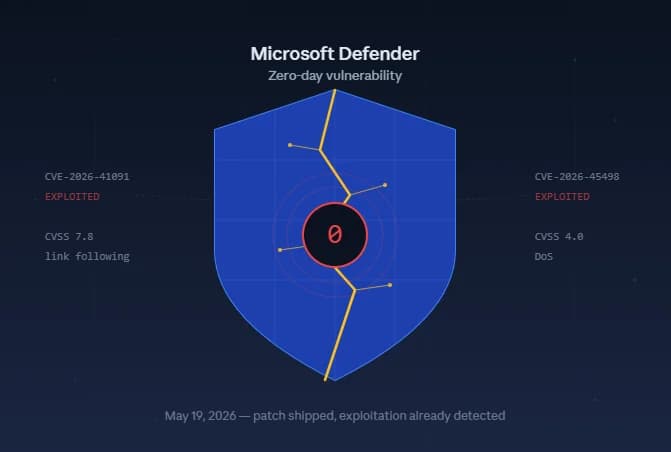
Մայիսի 19-ին Microsoft-ը հրապարակեց երկու զրո օրվա խոցելություն Microsoft Defender-ում, որոնք արդեն ակտիվ շահագործվում էին։ Մտածիր մի պահ՝ խոցելի էր ոչ թե ինչ-որ կողմնակի ծրագիր, այլ հենց պաշտպանիչ գործիքը։ GBHackers
Մի քանի օր առաջ էլ Microsoft-ը զգուշացրեց Exchange Server-ի զրո օրվա խոցելության մասին, որի պատչը դեռ նույնիսկ չկար։ Հարձակվողը կարող էր հատուկ ձևավորված նամակ ուղարկել զոհին, և եթե այն բացվում էր Outlook Web Access-ում՝ կամայական JavaScript-ով կոդ կաշխատեր զննարկչում։ Մի սովորական նամակ՝ ամբողջ սերվերի վրա հսկողություն տանող ճանապարհով։ SecurityWeek
Ինչու՞ է սա կարևոր նաև ոչ-անվտանգագետի ։) համար
Որովհետև զրո օրվա մասին պատմությունը ընդամենը կոդի սխալների մասին չէ։ Դա պատմություն է այն մասին, որ ցանկացած համակարգում միշտ կա բան, որի մասին դեռ ոչ ոք չգիտի։ Եվ պաշտպանության մշակույթը հենց դրա ընդունումից է սկսվում՝ ոչ թե «մենք ապահով ենք», այլ «մենք պատրաստ ենք, որ ինչ-որ տեղ խոցելի ենք»։
Իսկ դո՞ւք գիտեիք, թե ինչ է զրո օրվա խոցելությունը։ Կհանդիպե՞ք նման թեմայով նյութի՝ կանգ կառնեք ու կկարդա՞ք, թե կանցնեք կողքով։
Մեկնաբանեք՝ քննարկենք։ 👇
_______________________________________________________
Zero-Day Vulnerability: Why Are We Hearing About It So Much Lately?
Lately, zero-day vulnerabilities have been surfacing much more actively than usual. And the most interesting part is that it all makes far more sense than I had imagined.
Honestly, back when I wasn't yet working in security, even if I came across this kind of material, I'd just scroll past it. But the moment you start noticing it, the moment you stop and read — that already tells you the topic interests you. And who knows — maybe that's the first step.
So what exactly is a zero-day vulnerability?
Imagine a developer who has built a piece of software and shipped it to market. Somewhere in the code there's a flaw — even they don't know about it. One day, an outsider — a researcher or an attacker — finds it. If the attacker finds it first and starts exploiting it before notifying the developer, the defending side is left with "zero days" to release a fix. That's where the name comes from.
In other words: the vulnerability exists, it's already being exploited, but the patch doesn't exist yet. The attacker is several steps ahead.
Fresh examples:
On May 19th, Microsoft disclosed two zero-day vulnerabilities in Microsoft Defender that were already being actively exploited. Think about that for a moment — the vulnerable software wasn't some side application, it was the defensive tool itself. GBHackers
A few days earlier, Microsoft warned of a zero-day in Exchange Server with no patch available yet. An attacker could send a specially crafted email to the victim, and if it was opened in Outlook Web Access, arbitrary JavaScript could execute in the browser context. One ordinary email — a path straight to control over the entire server. SecurityWeek
Why this matters even if you're not in security
Because the zero-day story isn't just about bugs in code. It's a story about the fact that in any system, there's always something nobody knows about yet. And a real security culture starts from accepting exactly that — not "we're safe," but "we're prepared for the fact that somewhere, we're exposed."
Did you know what a zero-day vulnerability was? When you come across this kind of material — do you stop and read, or scroll past?
Let's discuss in the comments. 👇








Comments (4)